Cheekbone surgery, also known as malar surgery, includes various procedures aimed at changing the shape, size, or projection of the cheekbones. Depending on the need, the surgeon may increase or decrease cheekbone volume using implants, fat grafting, or bone reshaping. The main goal is to harmonize facial features, restore balance, or add contour to cheekbones considered too flat or, on the contrary, overly prominent.
The cost of cheekbone surgery varies depending on the method used (implants, lipofilling, bone reduction) and the country where the procedure is performed. Prices generally include surgeon’s fees, anesthesia, and clinic stay, but can fluctuate according to the surgeon’s reputation or the complexity of the procedure.
| Country | Malar Implants (€) | Lipofilling (€) | Malar Reduction (€) |
|---|---|---|---|
| France | 3500-5000 | 3000-4500 | 4000-6000 |
| United Kingdom | 4000-5500 | 3500-5000 | 4500-6500 |
| Germany | 3500-5200 | 3000-4600 | 4200-6100 |
| Netherlands | 3600-5100 | 3200-4300 | 4300-6200 |
| Italy | 3300-4800 | 2900-4200 | 4200-5900 |
| Tunisia | 1700-2500 | 1600-2200 | 1900-2800 |
| Turkey | 1700-2700 | 1500-2100 | 1800-2600 |
| Hungary | 1800-2600 | 1500-2200 | 2000-2600 |
| Czech Republic | 1800-2500 | 1500-2000 | 2000-2500 |
| Lithuania | 1700-2300 | 1400-2000 | 1900-2400 |
| Thailand | 2300-3300 | 1800-2500 | 2500-3400 |
| Poland | 1800-2500 | 1600-2100 | 1900-2600 |
| Belgium | 3300-4800 | 2900-4300 | 4200-5700 |
| Brazil | 2500-4100 | 2000-3500 | 3000-4700 |
| Albania | 1300-1800 | 1100-1550 | 1400-2000 |
Prices have been updated in 2025 and are given for guidance only.
Cheekbone surgery is generally considered a cosmetic procedure and is therefore not covered by social security or health insurance, except in extremely rare cases (severe congenital malformation, recognized malformation syndrome, or as a result of facial trauma). In practice, reimbursement is exceptional.
The goals of cheekbone surgery are primarily aesthetic: enhancing facial harmony, rejuvenation, correcting a congenital defect or asymmetry, or restoring volume after weight loss or trauma. Several techniques and procedures are included under malar surgery:
Cheekbone surgery has seen several innovations in recent years:




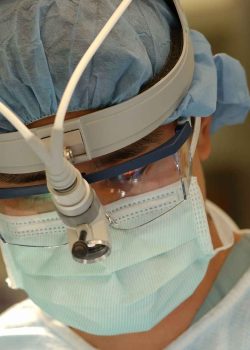
The process of cheekbone surgery depends on the chosen technique (implants, lipofilling, or bone reduction), but some general principles apply.
For malar implant placement, the procedure usually begins under general or assisted local anesthesia. The surgeon makes a small incision hidden inside the mouth against the upper gum, or sometimes in the lower eyelid area. A pocket is created next to the malar bone in which the implant is precisely positioned to correct the shape or add projection. The incision is closed with dissolvable stitches. In some cases, the implant may be fixed with a mini screw for added stability.
For lipofilling or autologous fat grafting, the surgeon takes a small amount of fat from another part of the body (often the abdomen or thighs) and then purifies it. This fat is then carefully re-injected into the cheekbones using microcannulas to achieve a natural and lasting result. These procedures are usually performed under local anesthesia and do not require visible incisions.
Less frequently, malar bone reduction involves accessing the bone through an internal (buccal) incision. The surgeon then reshapes the bone, either by burring (grinding the bone) or by osteotomy (controlled cutting and repositioning of bone fragments), to refine the projection of the cheekbones. The incision is closed at the end of the procedure.
The duration of the operation depends on the complexity of the procedure and the technique used:
Generally, implant placement takes between 45 minutes and 1 hour 15 minutes. Malar lipofilling is slightly shorter, taking 30 to 60 minutes. Bone reduction may require between 1 hour and 2.5 hours depending on the extent of the procedure.
Cheekbone surgery is known to be not very painful. Most patients report mild discomfort and tightness rather than significant pain.
However, some moderate pain may occur in the first few days, mainly as swelling, tension, or sensitivity to touch. These sensations generally subside in less than a week and are well controlled with common painkillers. Minimally invasive techniques tend to further reduce the intensity and duration of postoperative discomfort.
Follow-up after cheekbone surgery is essential to ensure the best possible outcome. Aesthetic progress, managing recovery, and ensuring proper healing are integral parts of the recovery process and require diligent attention from the patient in conjunction with their surgeon.
Right after the procedure, it is common to notice swelling and sometimes bruising. These are normal and gradually subside over a few days to weeks.
Most patients begin to see results after 2 to 4 weeks, once the majority of the swelling has gone. The final outcome is generally appreciated between 2 and 6 months after surgery, once tissues have fully settled and deep healing is complete.
The results of malar surgery are considered durable. Implants are designed to remain in place permanently, unless complications arise or the patient wishes to have them removed.
Lipofilling, although natural, can undergo partial resorption of the injected fat in the first months, but the remaining volume is generally stable in the long term. The benefits of bone reduction are also permanent. However, natural facial aging and weight fluctuations can influence the lasting appearance of the results over the years.
Mild to moderate discomfort or pain within the week following the procedure is common. Swelling, bruising, and a feeling of localized numbness may also persist for several days.
As for scars, they are generally invisible since they are located inside the mouth or discreetly at the eyelid margin. Good oral hygiene is important to prevent infection of internal incisions.
As with any surgical procedure, cheekbone surgery carries risks: infection, hematoma, implant displacement or misplacement, asymmetry, sensory disturbances, or poor healing.
The key to minimizing these risks is preoperative communication with the surgeon, choosing a qualified practitioner, and strictly following postoperative instructions. If in doubt (fever, significant pain, abnormal swelling), it is recommended to quickly consult with your surgeon to address any complication early.