Facial cosmetic surgery in Tunisia attracts many patients seeking both modern and experienced procedures. Tunisia offers a combination of qualified practitioners, sophisticated hospital infrastructure, and competitive prices. As a result, the country has become a popular reference for those considering a facial transformation or correction, all while enjoying a welcoming environment.
| Method | Average Price (euros) |
|---|---|
| Cervicofacial lift | 2100 – 2700€ |
| Rhinoplasty | 1800 – 2300€ |
| Blepharoplasty (upper and/or lower eyelids) | 1100 – 1500€ |
| Genioplasty (chin) | 1200 – 1600€ |
| Facial liposuction | 1300 – 1750€ |
The prices listed above are estimates updated for 2025 and may vary depending on the practitioner and the complexity of the procedure.
Tunisia has strict regulations regarding cosmetic surgery, and procedures are performed in approved clinics, often certified to international standards. Medical teams are generally highly trained and experienced, thus ensuring a high level of patient safety.
Tunisian medical staff are accustomed to treating foreign patients and frequently speak French. Most interactions are therefore easy, whether for consultations, interventions, or postoperative follow-up. English is also spoken in many clinics.
French nationals do not need a visa for stays under 90 days in Tunisia. A valid passport is sufficient upon arrival. For medical stays, it is advisable to prepare all documents related to the procedure before traveling.
Tunisia is easily accessible from France thanks to numerous direct flights to Tunis, Monastir, or Djerba. Major airlines offer these routes throughout the year, with typical flight durations between 2 and 3 hours. Upon arrival, private transfers or taxis are available for quick travel to clinics or accommodations.
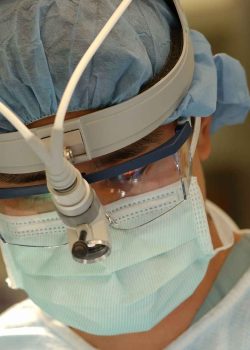



The length of a stay in Tunisia for facial cosmetic surgery depends on the type of procedure. For interventions such as a cervicofacial lift or rhinoplasty, it is common to stay between 7 and 10 days. This timeframe allows for the initial consultation, the operation, and immediate postoperative medical observation.
In some cases, such as blepharoplasty or facial liposuction, the stay may be slightly shorter, provided the surgeon deems that postoperative monitoring can be managed remotely. Nevertheless, it is recommended to schedule extra time to anticipate possible contingencies or to ensure optimal recovery before returning home.
The majority of facial surgery clinics in Tunisia offer logistical support, often including airport pickup and transfer to the clinic or hotel. If necessary, an interpreter is usually available, even though French is very common in Tunisia’s medical sector.
The wearing of a splint (after rhinoplasty, for example) or other care devices depends on the nature of the cosmetic operation. Immediate postoperative monitoring is carried out on site, and your surgeon often organizes remote follow-up after your return to your home country. It is important to verify with the clinic the insurance coverage related to the procedure, as well as assistance modalities in case of complications after your return.
In Tunisia, many clinics working with international clients offer all-inclusive packages. These typically include airport-clinic transfer, accommodation in a hotel or recovery facility, the surgical procedure, and sometimes some pre- and postoperative care or consultations.
However, it is important to check in advance the details of what is included, any potential extra charges, and the associated guarantees. Transparency at this level is crucial to avoid misunderstandings upon arrival.
It is entirely possible to take advantage of your stay in Tunisia to discover tourist sites, either before or after a facial cosmetic procedure. However, it is generally advised not to plan exhausting activities or long excursions immediately after surgery, to optimize recovery and minimize the risk of complications.
If you plan to visit Tunisia, it is preferable to do so before the surgery or after receiving your practitioner’s approval during postoperative check-up. The hot and dry climate or prolonged travel should be considered, depending on the time of year and type of procedure you undergo.
Postoperative follow-up is a crucial step in the journey of facial cosmetic surgery, especially when performed abroad. Rigorous follow-up determines the quality of the result, patient safety, and optimal management of any complications upon return home.
After facial surgery in Tunisia, it is often possible to complete postoperative follow-up in France. Tunisian surgeons, experienced with international patients, generally provide a detailed medical file, facilitating communication with French health professionals upon the patient’s return.
However, it is strongly recommended to organize in advance a medical relay with a general practitioner or cosmetic surgeon in France. This allows for wound monitoring, management of any complications, and, if necessary, obtaining additional medical advice. Some assistance companies may offer this type of support, either remotely or through a network of partner practitioners.