Otoplasty surgery in Turkey is increasingly attracting international patients thanks to modern techniques and the recognized expertise of local surgeons. The country combines medical quality, close monitoring, and competitive costs, making it a top destination for those wishing to correct the shape or position of their ears.
By choosing Turkey for this procedure, patients benefit from modern hospital infrastructures and often shorter wait times than elsewhere, while discovering a welcoming and dynamic country.
| Otoplasty method | Average price (in €) |
|---|---|
| Traditional otoplasty (incision surgery) | 1,300 – 1,800 |
| Non-incision otoplasty (thread technique) | 1,100 – 1,500 |
| Single ear correction (unilateral) | 900 – 1,200 |
The prices shown have been updated for 2025. They usually include clinic fees, anesthesia, and postoperative care, but may vary depending on the surgeon’s reputation and the exact location.
Otoplasty practice in Turkey is governed by strict standards and benefits from rigorous health controls. Specialist surgeons often have years of international experience, with additional training in Europe or the United States.
Additionally, accredited facilities are regularly inspected, ensuring safe care for foreign patients.
Most specialized clinics in Istanbul, Ankara, or Antalya have staff who speak English and sometimes French. Foreign patients are assisted by medical coordinators who facilitate communication with healthcare teams.
It is therefore generally not necessary to speak Turkish to organize and follow up on your otoplasty surgery in Turkey, especially in major medical destinations.
For French citizens and most EU countries, a tourist stay in Turkey of less than 90 days does not require a visa. You just need a valid passport or ID card.
Nonetheless, make sure to check the latest regulations before booking your procedure, as entry rules may change.
Numerous direct flights connect France (notably Paris, Lyon, Marseille or Nice) daily with Istanbul and major Turkish cities. The flight generally lasts 3 to 4 hours, making the journey quite accessible for a medical procedure.
Private transfers or shuttle services can then be organized from the airport to your chosen clinic, simplifying the arrival of international patients.






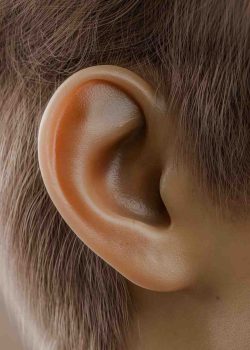



After otoplasty in Turkey, it is generally recommended to plan a stay of 5 to 7 days. This period allows time for a first preoperative consultation, the surgery itself, and at least one follow-up appointment a few days after the operation.
Depending on the type of otoplasty and your recovery, some surgeons may recommend a shorter or longer stay. However, it is better to anticipate a few extra days to address possible follow-up or postoperative adjustments before returning home.
Most otoplasty clinics in Turkey offer private shuttle transfers between the airport, hotel, and medical facility. You will usually be welcomed as soon as you arrive. International patients often benefit from support in English or sometimes French, especially for translation during medical consultations.
After the operation, a splint or ear band is usually provided. Immediate follow-up is ensured by the surgeon and their team, who remain available for any questions or possible complications. Regarding insurance, it is advisable to check with your insurance company or mutual fund about coverage for medical care abroad, as Turkish hospitals typically provide only local medical liability coverage.
In Turkey, many otoplasty clinics offer so-called « all-inclusive » packages. These typically cover the surgery, anesthesia, postoperative care, hotel accommodation for several nights, and all necessary transfers during the medical stay.
Linguistic support, immediate medical follow-up, and sometimes certain additional services (dressings, initial medications) are also included. It is important to check the exact nature of these services before booking, to ensure no unexpected additional charges will be added.
It is entirely possible to discover Turkey’s cultural and tourist attractions during your trip. However, it is recommended to take tours before the procedure, since rest is essential in the first days after otoplasty.
After surgery, some activities may be restricted (avoid swimming, intense sports, or prolonged sun exposure). Nevertheless, short walks or non-strenuous sightseeing can be considered after the surgeon’s approval. It is therefore important to properly plan your trip to combine medical safety and the pleasure of discovery.
Postoperative follow-up is a crucial step after otoplasty, especially when performed abroad. Proper medical support helps avoid complications and ensures a harmonious, long-lasting result. Knowing what to expect makes returning to your home country easier and optimizes recovery.
After having otoplasty in Turkey, many patients choose to continue their follow-up with their general practitioner or an ENT/plastic surgeon in their home country.
Most of the time, it is possible to arrange follow-up appointments and to have stitches or the headband removed directly by a healthcare provider at home. It is strongly recommended to request a detailed operative report (in English or your native language) from the Turkish clinic, which will facilitate care by your local healthcare professional.
In case of specific complications, it may be necessary to consult a plastic surgeon with otoplasty expertise. Some practitioners accept to take over the aftercare, but continuity is not always guaranteed, depending on practice policies; therefore, it is wise to address this issue before departure.