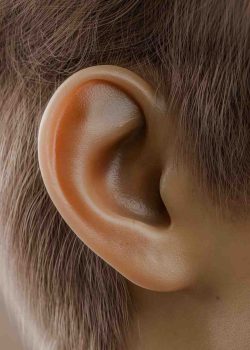
Otoplasty in Thailand attracts many international patients seeking correction for protruding or malformed ears, combining modern medical facilities with renowned surgical expertise. Choosing this country allows patients to benefit from advanced surgical procedures, often at more advantageous costs while enjoying a pleasant setting for recovery. This destination appeals to anyone looking for effective, safe, and accessible solutions for their procedure.
| Otoplasty Method | Average Price (euros) |
|---|---|
| Traditional otoplasty (incision behind the ear) | 1,000 – 1,400 € |
| Suture otoplasty (no visible incision) | 1,200 – 1,600 € |
| Complex bilateral otoplasty | 1,500 – 2,100 € |
The prices above have been updated for 2025 and may vary depending on the surgeon’s experience and the chosen facility.
Undergoing otoplasty in Thailand is considered safe: reputable clinics adhere to strict hygiene standards and internationally recognized protocols. Surgeons are often certified and frequently trained abroad, ensuring a professional approach to patient care throughout the surgical process.
Thailand is an international medical destination, and many surgeons and medical staff communicate in English. Several clinics also offer multilingual support. French-speaking patients can request a translator or assistance to fully understand each step of the medical process.
For stays under 30 days, French nationals do not need a visa to enter Thailand. However, it is advisable to check that your passport is valid (at least 6 months after your date of entry) and to have health insurance covering medical procedures abroad.
Thailand is well-served by many direct or connecting flights from Paris and major French cities. Major airlines operate these routes, making it easy to organize your stay for surgery with peace of mind. It is recommended to book in advance, especially during peak tourist periods.









The optimal duration of stay for otoplasty in Thailand usually ranges from 7 to 10 days. This includes on average a preoperative consultation (1 to 2 days after arrival), the time for the surgical procedure, and immediate post-operative recovery under medical supervision. This period also ensures follow-up during the crucial first days after surgery, essential for anticipating any complications or questions.
In some cases, depending on the technique used or the complexity of the correction, a slightly longer stay may be advised. Return to France can be considered as soon as the surgeon confirms the absence of immediate risks and provides you with an operative report.
The majority of clinics specializing in otoplasty in Bangkok or other major Thai cities offer transfer solutions between the airport, hotel, and medical facility. This service greatly facilitates travel, especially post-surgery. Interpreter assistance can be provided (usually on request) to ensure full understanding of instructions, particularly during pre-op and post-op consultations.
After the procedure, a light splint or protective headband is often provided to stabilize the ears, especially at night. In-clinic follow-up includes monitoring post-operative outcomes and necessary care before departure. It is highly recommended to take out insurance that covers medical complications abroad, as even though Thailand has advanced facilities, French social security does not automatically cover you outside Europe.
In Thailand, many clinics or agencies specializing in medical tourism offer « all-inclusive packages ». These generally include the surgery, clinic fees, accommodation (hotel or partner residence), local transfers, sometimes language assistance, as well as immediate post-operative follow-up. The exact contents of the package may vary by facility and your personal needs.
However, it is important to read all terms carefully, identify exactly which services are included (consultations, medications, splint changes, etc.), and ensure the reliability of the provider. Packages generally do not cover flight costs and certain personal expenses.
It is definitely possible to enjoy your trip to discover Thailand, before or after your otoplasty. Before the procedure, you are free to enjoy tourist activities as long as you respect consultation schedules and avoid physically risky activities. After surgery, caution is required: it is preferable to limit sun exposure, excessive heat, swimming, and intense physical activity during the recovery period recommended by your surgeon, usually at least one week.
After otoplasty, recovery should remain the priority. Sightseeing is possible but should be adapted to your physical condition and medical advice to avoid risk of complications.
Post-operative follow-up is a crucial step in the success of otoplasty, in Thailand as elsewhere. Appropriate support limits the risk of complications and optimizes the long-term aesthetic results. It is essential to anticipate this phase, especially when undergoing surgery abroad, to ensure continuity of care upon returning to France.
One key issue when having otoplasty in Thailand is managing post-operative follow-up after returning to France. In most cases, it is possible to arrange check-up appointments with a general practitioner or ENT surgeon in France. They can monitor healing, detect potential infection, or advise on ear care.
However, French practitioners are not obliged to take over or assume the follow-up of an operation performed abroad. Before departure, it is wise to request a complete operative report (including specific recommendations) from the Thai clinic and identify a healthcare professional in France willing to provide follow-up care.