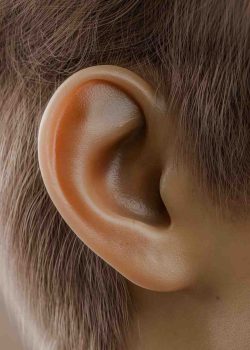
Otoplasty in Tunisia: what you need to know before the procedure

Otoplasty in Tunisia attracts many patients wishing to correct the shape or position of their ears. Tunisia is recognized for its modern clinics and skilled medical teams, making it a top destination for cosmetic procedures.

In addition to the quality of care, the availability of surgeons and reduced waiting times allow for quick management and optimal recovery for this specific surgery.

Detailed Otoplasty Prices in Tunisia

Otoplasty Method Average Price in Tunisia (€)
Classic otoplasty (incision behind the ear) 1200 – 1800
Non-surgical otoplasty (thread technique) 1000 – 1500
Bilateral otoplasty 1300 – 2000
Correction for children 1100 – 1700

The prices above have been updated for 2025.

A Safe Medical Setting for Otoplasty

Tunisia has a network of accredited clinics with modern equipment and strict regulatory framework. Plastic surgeons are regularly trained, and hygiene protocols comply with international standards.

This ensures enhanced safety for patients throughout the process, from consultation to post-operative follow-up.

Language Spoken During Otoplasty in Tunisia

In Tunisia, many practitioners speak fluent French, which greatly facilitates communication with French-speaking patients.

Medical teams can also assist in English, providing reassurance to patients about the smooth progress of each stage.

Traveling to Tunisia for Surgery: Documents to Prepare

For a medical stay in Tunisia, French nationals do not need a visa for stays of less than 90 days.

A valid passport is generally sufficient. It is recommended to check for any new requirements before departure.

Flights and Travel Between France and Tunisia

Numerous direct flights connect major French cities to Tunis, Monastir, or Djerba, making travel easy.

Flight duration is about 2 to 3 hours, making the journey quick and accessible for a medical stay.

Other countries for otoplasty
Turkey
Hungary
Brazil
Czech Republic
Albania
France
Lithuania
Poland
Belgium
Thailand

Key Steps of an Otoplasty Stay in Tunisia

How Many Days Should You Plan for Otoplasty?

The length of stay depends on the type of otoplasty performed and the complexity of the procedure. In general, you should plan for 5 to 7 days onsite for a classic otoplasty. The first consultation, surgery, and immediate post-operative follow-up are included during this period.

In some cases, for minimally invasive techniques or simple procedures, it is possible to reduce the stay to 3 or 4 days, but this will depend on the protocol of the chosen clinic and the surgeon’s advice.

Stay Organization: Logistics and Insurance

The majority of Tunisian clinics offer comprehensive logistical support. Transfers to and from the airport are often organized by the clinic, as well as local transportation for medical appointments.

To ease communication, having a translator is usually not necessary, as most practitioners speak French and sometimes English. For post-operative care, support includes providing the required splint after otoplasty as well as follow-up medical checks. It is advisable to check with your insurance provider if international coverage applies for your medical stay in Tunisia.

What Is Included in All-Inclusive Packages?

Many facilities offer « all-inclusive packages » for otoplasty. These generally include: airport pickup, hotel or clinic accommodation, transfers, pre- and post-operative consultations, and surgical fees.

The aim is to simplify the patient’s experience by grouping all necessary services. However, it is important to read each offer’s details carefully to understand what is and isn’t covered, especially regarding meals, return in case of complications, or additional services.

Possible Tourist Activities Around Otoplasty

It is perfectly possible to organize tourist activities before the surgery, as long as medical recommendations are followed. Tunisia offers many cultural sites and seaside resorts that can enhance patients’ stays.

After surgery, it is generally advised to focus on rest and avoid strenuous activities during recovery. Some patients choose to extend their stay for a few easy-going days, depending on their health and the surgeon’s recommendation.


Post-operative follow-up is a crucial step in the success of otoplasty in Tunisia. It helps ensure optimal healing, anticipate possible complications, and achieve the best long-term aesthetic result. Communication with the medical team and careful care during this phase are essential for a smooth recovery.

Medical Follow-up After Otoplasty in Tunisia: Options in France

Post-operative follow-up in France after having an otoplasty in Tunisia is a frequently chosen option. While most immediate care is provided onsite in Tunisia, it may be necessary to see a professional once back in France to check the healing or remove stitches.

It is strongly advised to discuss this ahead of time with both the Tunisian surgeon and a healthcare professional in France. Some general practitioners or plastic surgeons in France are willing to manage this type of follow-up, but this may vary by region and availability. The medical file provided by the Tunisian clinic facilitates smooth continuity of care after your return.

Who Is Concerned by Otoplasty in Tunisia?

  • People bothered by the shape, position, or protrusion of their ears
  • Adults or children (from age 7, once ear growth is complete)
  • Patients seeking a cost-effective aesthetic solution while maintaining a good quality of care
  • French speakers who want rapid care and French-speaking practitioners
  • People in good general health and with no contraindications to anesthesia
  • People able to travel to Tunisia for a short period

Avoiding Pitfalls in Otoplasty Post-Operative Follow-up

  • Neglecting or delaying the medical check-ups proposed by the clinic before returning to France
  • Not preparing in advance for follow-up with a healthcare professional in France
  • Resuming physical activity or risky actions too soon (touching the ears, sun exposure, swimming, etc.)
  • Trying to remove bandages or stitches without medical advice
  • Failing to keep and transfer your medical records for consistent follow-up
  • Relying on non-medical advice or forums instead of contacting your surgeon in case of problems

Articles to discover on otoplasty in Tunisia