Lithuania is gradually establishing itself as a prime destination for otoplasty thanks to the quality of its clinics, recognized medical supervision, and competitive rates. Many European patients choose Lithuania for a safe procedure while enjoying a professional and reassuring environment.
The expertise of local surgeons, combined with modern facilities, makes Lithuania particularly attractive for otoplasty. Let’s discover together the key points to know when preparing for such a procedure abroad.
| Otoplasty Method | Average Price (in euros) |
|---|---|
| Traditional otoplasty (classic surgery) | €1200 – €1700 |
| Minimally invasive otoplasty (internal sutures) | €1400 – €1900 |
| Correction of both ears | €1700 – €2200 |
| Correction of one ear | €800 – €1200 |
These rates are provided for information purposes and updated for the year 2025.
Opting for otoplasty in Lithuania is generally safe, as the country applies strict European medical standards. Specialized clinics are equipped with modern technologies and surgeons are trained according to international standards.
Facilities are regularly inspected by health authorities, ensuring a secure environment for foreign patients wishing to correct the shape of their ears.
Although Lithuanian is the official language, most healthcare professionals speak fluent English and, in some major clinics, French is also understood. Effective communication is therefore possible throughout the care process.
Translators or international coordinators are often available to assist patients who do not speak the local language.
French and European Union citizens can travel to Lithuania without a visa for stays of less than 90 days, simply with a valid ID card or passport. It is recommended to check specific requirements before departure.
Consider taking out health insurance covering the procedure abroad and keep your medical documents to present them to the clinic.
Many direct flights connect Paris, Lyon, or Marseille to Vilnius, Lithuania’s capital, with regular or low-cost airlines. The flight usually takes between 2.5 and 3 hours.
Transfers between the airport and clinics are easy to organize, with clinics sometimes offering pick-up services for foreign patients.
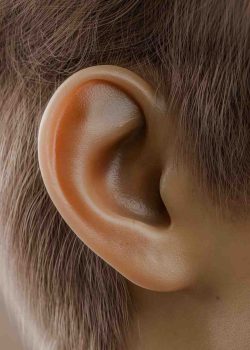








For otoplasty, it is generally recommended to stay in Lithuania for 3 to 7 days, depending on the technique used, the complexity of the correction, and the surgeon’s recommendations. The average stay includes a preoperative consultation, the procedure—often performed on an outpatient basis or with an overnight stay—and one or two postoperative check-ups.
Even though some patients can travel fairly shortly after the operation, a longer stay allows for easier management of minor after-effects (swelling, discomfort) and ensures optimal follow-up with the local medical team.
Most specialized clinics provide support for international patients: airport, hotel, and clinic transfers are often included or offered as tailored services. Institutions generally provide French or English-speaking coordinators to help with understanding medical and administrative procedures.
As for postoperative materials (support splint, headband, specific care), these are either provided on-site or included in the surgery fees. It is highly recommended to confirm that immediate postoperative follow-up (stitches removal, check-up) is well planned before your return, and to ensure your health insurance is compatible with surgery performed abroad.
Some Lithuanian clinics offer « all-inclusive » or medical stay packages. These usually group initial consultations, surgery fees, accommodation (hotel or aparthotel), airport transfers and sometimes language assistance. Some packages may also include concierge services and provision of postoperative materials.
It is important to review these offers in detail: some elements such as medication, extra nights not included in the package, or health insurance may remain at the patient’s expense. Do not hesitate to request a precise quote before committing.
It is common for patients to schedule some free time before surgery to explore Vilnius or other Lithuanian cities, as long as the visits are moderate. After otoplasty, it is generally advisable to rest for the first 48 hours, avoiding any intense physical activity or prolonged exposure to sun and wind.
A bit of light tourism (short visits, leisurely strolls around town) is possible if recovery goes smoothly, while taking into account your surgeon’s advice. Prioritizing your comfort and safe healing throughout your stay is essential.
Postoperative follow-up is a key step for the success of an otoplasty, especially when performed abroad. High-quality medical support allows for the rapid detection of any complications, adjustment of care or recommendations, and ensures proper healing. It is therefore essential to anticipate from the start how this follow-up will be managed, whether in Lithuania or upon your return to France.
Many French patients wonder if it is possible to have medical follow-up after an otoplasty performed in Lithuania. In practice, it is entirely possible to continue postoperative check-ups in France, provided that the transfer of your medical file is well organized.
It is in your best interest to inform your general practitioner or a French cosmetic surgeon of the procedure carried out in Lithuania so they can take over for suture removal, healing supervision, or management of any late complications. Some Lithuanian clinics also offer remote follow-up via photo exchange or teleconsultation, in addition to local French follow-up.