Breast lipofilling is a cosmetic surgery technique designed to increase breast volume using the patient’s own fat. This method involves harvesting fat from different parts of the body (hips, abdomen, thighs), then reinjecting it into the breasts after purification. Breast lipofilling attracts patients thanks to its natural appearance and the double improvement of the silhouette it offers.
Unlike breast implants, it does not introduce any foreign body and is particularly appreciated for the discreet and harmonious result it provides. It meets the expectations of patients seeking a moderate breast augmentation without resorting to silicone or cohesive gel.
The cost of breast lipofilling generally ranges between €4,000 and €7,000, depending on the amount of fat to be transferred and the complexity of the procedure. Compared to breast implants, lipofilling is often slightly more expensive, as it involves two surgical steps (harvesting and reinjection) and a certain degree of technical know-how.
However, the natural result and the absence of synthetic materials justify this higher price for certain patients. Fees may include consultations, the operating room, anesthesia, and post-operative care.
Breast lipofilling stands out for several reasons:
However, there are some drawbacks to note:
This technique is generally suitable for:
Breast lipofilling is not suitable in certain cases:








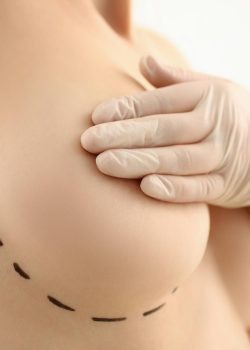

The process begins with an in-depth consultation with the aesthetic surgeon. During this appointment, the doctor evaluates the patient’s body shape, medical history, and expectations. An examination of the donor areas (abdomen, thighs, hips) is conducted to ensure there is enough fat available. The surgeon explains the technique in detail, expected outcomes, and the specific limitations of breast lipofilling.
The doctor also ensures there are no medical contraindications, and may request blood tests and breast imaging depending on the situation. A personalized quote is provided at the end of this first meeting.
The procedure is mostly performed under general anesthesia, though sometimes under local anesthesia with sedation in select cases. First, the surgeon performs gentle liposuction on the identified areas: a fine cannula harvests fat, which is then treated by centrifugation or decantation to isolate viable fat cells.
The prepared fat is then very carefully injected into various planes of the breast tissue using micro-cannulas. Spreading the fat in many tiny amounts ensures graft survival and a homogeneous, natural result. The total duration of the procedure can range from 1.5 to 3 hours on average, depending on the amount of fat to be transferred.
Pain after breast lipofilling is usually moderate and well managed with standard painkillers. Most discomfort comes from the donor areas (bruising, discomfort, swelling). In the chest area, tightness or pulling sensations may occur, but these subside quickly.
A few days off work may be recommended depending on your job. Wearing a compression garment over the aspirated areas and a non-wired support bra for the breasts is advised for 2 to 4 weeks.
Adapted activities (walking, gentle daily movements) can usually be resumed within a week after the procedure. Strenuous effort, sports, and heavy lifting should be avoided for 3 to 4 weeks.
An initial check-up is scheduled in the days after surgery, followed by regular follow-ups (appointments at 1, 3, and 6 months) to assess the result evolution and proper fat graft survival. Gentle massages may be suggested to optimize the final result.
It’s important to note that some of the injected fat may naturally be reabsorbed (10 to 40%) in the months following the procedure. Depending on the desired volume and graft survival, a second session can be considered after a minimum period of 6 to 12 months.
Generally, one or two sessions are sufficient to achieve a harmonious and lasting result. During your follow-up visits, the surgeon will give tailored advice based on your individual situation.
Breast lipofilling generally provides a very natural result, both visually and to the touch, thanks to the use of the patient’s own fat. After an initial phase of swelling and partial resorption (10 to 40% of the volume may disappear within the first three to six months), the remaining volume usually stabilizes in a lasting way. The breasts evolve harmoniously, without “rippling” or shifting, which can sometimes be observed with certain implants.
Patients also benefit from an improved aspect of the donor areas, which look more harmonious after liposuction. This double action—refining the silhouette and augmenting the breasts—is a specific advantage of lipofilling. However, the final result can only be observed after several months, once all swelling has subsided and the grafted fat has survived the healing process.
The longevity depends on adherence to post-operative instructions and the absence of major subsequent weight variations. Without such changes, the result can last for several years without additional procedures, maintaining a stable and natural appearance.
Like any surgical procedure, breast lipofilling carries some risks, although they remain generally low in healthy, well-selected patients. Specific complications to watch for include the occurrence of fat cysts, nodules, or greater-than-expected graft resorption, which can result in asymmetry or partial loss of volume.
Infections or hematomas are possible but rare when aseptic measures and follow-up instructions are followed. In the long term, small calcifications may develop in the breast tissue, which does not affect health but does require regular monitoring (mammograms, ultrasounds) to avoid confusing these changes with suspicious anomalies.
It is essential to strictly adhere to post-operative instructions: temporarily stopping smoking, limiting physical efforts, and using compression devices. Close follow-up with the surgeon allows for prompt intervention if necessary and ensures optimal results in complete safety.