Breast implants are one of the most common surgical techniques in cosmetic surgery to increase or restore breast volume. This procedure involves inserting an implant under the mammary gland or pectoral muscle to alter the shape, size, or firmness of the chest. Several types of implants are available, offering different effects and sensations tailored to the needs and expectations of each patient.
The main goal of this method remains the improvement of appearance, correction of asymmetry, or reconstruction after a mastectomy. Each option has its own technical specificities and precise indications, which require a personalized evaluation with a qualified professional.
The average cost of a breast implant procedure in France generally ranges between 3,500 and 5,500 euros, depending on the type of implant, the chosen surgical approach, and the reputation of the practitioner. This method is usually comparable to, or sometimes slightly less expensive than, other breast augmentation techniques like breast lipofilling, which often requires several sessions.
It is also necessary to take into account additional fees (anesthesia, hospitalization, post-operative care) which can impact the total budget. Finally, the choice of implant model can also influence the cost of the surgery.
Breast implants are characterized by a relatively standardized procedure with quickly visible results. They are often considered the « classic » method of breast augmentation compared to newer techniques such as fat transfer.









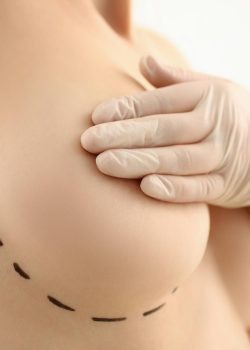
Before any procedure, an in-depth consultation with a plastic surgeon is essential. During this appointment, the patient’s anatomy is assessed, expectations are discussed, and different options (type of implant, volume, shape, implant position, incision location, etc.) are reviewed.
The professional also conducts a medical examination to ensure there are no contraindications. Photographs and sometimes imaging tests (mammography or ultrasound) are performed to best prepare for the operation.
The procedure is generally performed under general anesthesia. After disinfecting and marking the future incision sites, the surgeon makes a short incision, usually in the inframammary fold, around the areola, or sometimes in the armpit.
The choice of location depends on many factors (patient’s morphology, type of implant, scarring). The implant can be placed under the mammary gland (pre-pectoral) or under the pectoral muscle (retro-pectoral). The optimal positioning is determined beforehand through detailed discussion between the patient and practitioner.
The operation typically lasts between 1 and 2 hours depending on the complexity and type of implant. Hospitalization is generally brief: most patients are discharged the same day or the following day.
Immediate after-effects may include moderate pain, especially if the implant is placed under the muscle. Suitable painkillers are always prescribed to relieve discomfort during the first few days.
Sensation of tightness, bruising, or slight swelling is common but gradually diminishes as recovery progresses.
Generally, a recovery period of 5 to 10 days is recommended before gradually resuming daily activities, while avoiding intense effort for 4 to 6 weeks. Wearing a compression bra, prescribed by the surgeon, helps optimize healing.
Follow-up visits allow the surgeon to monitor progress, detect possible complications, and provide personalized support.
Breast implant placement is usually performed in a single surgery. However, implants are not permanent: it is recommended to replace them after 10 to 15 years, or in case of issues (wear, rupture, displacement, capsular contracture, etc.).
Regular follow-up by a professional is therefore essential to ensure the long-term safety and durability of results over the years.
One of the main advantages of breast implants is the immediate visibility of the result after the procedure. The breasts appear fuller, more symmetrical, and overall harmonized according to the expectations discussed in the pre-operative consultations. The final appearance is generally established after several weeks, as swelling decreases and tissues adapt around the implant.
In terms of durability, modern breast implants generally offer a lifespan of between 10 and 15 years, sometimes longer depending on the model, the individual’s body changes, and the absence of complications. However, implant replacement may be needed earlier in cases of rupture, capsular contracture (fibrosis around the implant), displacement, or wear. Annual check-ups with the surgeon are highly recommended to ensure optimal monitoring of implant integrity, even in the absence of symptoms.
As with any surgery, breast implant placement carries risks related both to the procedure and to the presence of a foreign body. Immediate complications can include hematoma, infection, delayed healing, or a reaction to anesthesia. Over time, certain risks are specific to this technique:
It is important to pay attention to any changes in the breasts (pain, change in shape, inflammation, discharge, appearance of lumps) and to consult a professional promptly should any abnormalities arise. Regular imaging check-ups (breast ultrasound, MRI) are essential to detect silent complications and determine whether implant replacement is necessary.