Choosing gynecomastia surgery in Thailand attracts many patients each year. The country is renowned for the quality of its medical facilities, the professionalism of its surgeons, and its attractive costs compared to Europe.
Additionally, Thailand offers comprehensive medical support, combining technical expertise with attention to the needs of international patients. This destination also provides the opportunity for a pleasant recovery in an exotic environment.
| Surgical Method | Average Price (in euros) |
|---|---|
| Liposuction only | 1,400 – 2,200 € |
| Glandular excision | 1,800 – 2,800 € |
| Combined technique (liposuction + excision) | 2,200 – 3,300 € |
Price table updated in 2025 according to renowned clinics in Thailand.
Thailand is globally recognized for its modern hospital infrastructure and the skill of its cosmetic surgeons. Clinics are often certified according to international standards, ensuring strict control of hygiene and safety.
Postoperative follow-up is also rigorous, which reassures many patients coming from abroad.
In Bangkok and major medical centers, most medical staff speak English. For French-speaking patients, some clinics offer translators or dedicated support.
Having no knowledge of Thai is not a significant obstacle when arranging gynecomastia surgery in Thailand.
For a medical stay of less than 30 days, French citizens can generally travel to Thailand without a visa. Beyond this period, a tourist visa or a medical visa is recommended.
It is advisable to check with the Thai embassy or a specialized agency before departure to know the exact procedures.
Thailand is accessible by direct flight from Paris (Charles-de-Gaulle airport) to Bangkok, with a flight time of around 11 to 12 hours. Several major airlines operate this route each week.
Once there, organized transfers from the airport to the clinics are often offered for international patients.



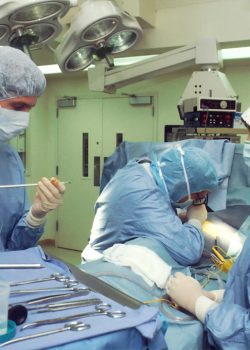





The length of stay needed in Thailand for a gynecomastia procedure depends on the technique used and your recovery. Generally, it is recommended to plan on staying between 7 and 10 days.
This timeframe includes the preoperative consultation, surgery, and immediate postoperative check-ups. Staying several days reduces the risks associated with traveling after general anesthesia and allows for optimal monitoring of wound healing.
For international patients coming to Thailand, many clinics facilitate the logistics. It is common for facilities to offer transfers between the airport, hotel, and clinic. This ensures a smooth arrival, especially after surgery.
Regarding language, the largest centers often have French translators or English-speaking coordinators, making communication with medical teams easier. After the operation, splints or compression garments specific to gynecomastia will be provided according to the surgeon’s recommendations.
Medical follow-up generally takes place on-site until your departure date, with ensured postoperative check-ups. Do not forget to check your travel insurance: it should cover medical procedures, repatriation, and potentially surgical complications.
Thailand is well-known for its all-inclusive packages tailored to cosmetic surgery. Several clinics and specialized agencies market packages that include the surgery, hotel accommodation, transfers, and sometimes even the presence of an assistant or interpreter.
However, the availability and precise content of these packages vary from one facility to another. For safety, it is advisable to check in detail what is included, particularly for postoperative care and possible contingencies.
Thailand attracts many patients who take advantage of their trip to discover the country. It is possible to plan a few days of light tourism, either before the procedure (to avoid risks during convalescence) or after an initial stage of recovery, if medically approved.
However, intense travel and physical activities are not recommended immediately after surgery. It is better to stick to a few calm visits or resting at the hotel to ensure good healing.
Postoperative follow-up is a crucial step after gynecomastia surgery, especially when performed abroad such as in Thailand. It allows for anticipation of complications, ensures optimal wound healing, and guarantees durability of results. Good follow-up also reassures the patient throughout their recovery, even after returning to France.
One of the main concerns for patients operated in Thailand is follow-up once back in their home country. It is entirely possible to receive medical follow-up in France after gynecomastia performed abroad. However, it is important to discuss this beforehand with the Thai practitioner to obtain a detailed operative report and ideally, a letter for your general practitioner or a French surgeon.
Many French practitioners agree to provide postoperative follow-up, even if the procedure was carried out abroad. However, except in urgent complications, this follow-up will not be covered by Health Insurance. It is highly recommended to ensure, before surgery, that you have access to a healthcare professional in France for post-operative care.