Choosing gynecomastia surgery in Belgium offers several advantages for French and European patients. The country is renowned for its medical excellence, the quality of its hospital infrastructure, and its close proximity, making travel simple and quick. Additionally, Belgium offers a strict regulatory framework for cosmetic surgery, ensuring the safety and professionalism of procedures.
| Method | Average price (euros) |
|---|---|
| Liposuction only | €2,200 – €3,300 |
| Glandular excision and liposuction | €3,500 – €4,500 |
| Glandular excision only | €2,900 – €3,800 |
| Complex gynecomastia (severe case) | €4,800 – €6,000 |
The prices shown in this table are updated for 2025, but may vary depending on the clinic, surgeon, and case complexity.
Belgium enforces strict standards for cosmetic surgery, making it a safe country for gynecomastia procedures. Facilities must be accredited and surgeons are highly qualified, often internationally trained. This seriousness ensures professional care and minimizes risks for patients.
In Belgium, many healthcare professionals are fluent in French, and some teams also speak English or Dutch. It is generally not necessary to speak any language other than French for surgery, which greatly simplifies communication during the medical process.
French nationals do not need a visa; a valid identity card or passport is sufficient to enter Belgium. No specific documents are required for medical procedures, which facilitates travel for patients coming from France.
Belgium is easily accessible from France by train (TGV, Thalys), car, or short-haul flights from certain airports. The rail network connects major Belgian cities in under two hours from Paris, offering great organizational flexibility for patients needing to attend their medical appointments.

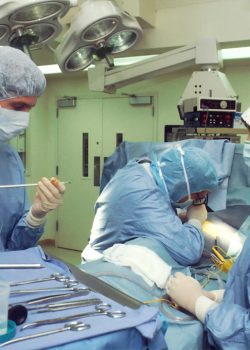



After gynecomastia surgery in Belgium, it is generally recommended to plan to stay at least 3 to 7 days. This period allows for the preoperative consultation, the surgery itself, and close postoperative follow-up.
If the procedure involves a more complex intervention, particularly for severe gynecomastia requiring extensive glandular excision, monitoring for a few additional days may be necessary as agreed with the surgeon.
Clinics in Belgium are accustomed to receiving international patients. They often offer services including organizing transfers between the train station, airport, hotel, and clinic. This helps minimize stressful travel.
The language barrier is generally non-existent for French-speaking patients. However, if you do not speak either French or Dutch, some facilities can provide a medical interpreter. As for post-operative care, a thoracic splint or compression garment is usually provided, and follow-up appointments are scheduled in the week after surgery to monitor healing progress.
Travel insurance or international health coverage can be useful to cover any unexpected medical events or delayed returns, although the vast majority of stays proceed without major incident.
In Belgium, some clinics specializing in gynecomastia offer « all-inclusive » packages. These may include surgeon’s fees, anesthesia, operating room charges, pre- and post-operative consultations, as well as the compression garment. Some packages also cover transfers and hotel accommodation for a few days at a partner hotel.
However, it is essential to check the details of the included services and ensure that the post-operative follow-up, including at a distance, is well taken into account to avoid any surprises once you are there.
While many patients consider combining their trip with both surgery and some sightseeing, caution is advised. Before the procedure, it is entirely possible to visit Brussels, Bruges or Ghent and enjoy Belgian heritage or gastronomy.
After the operation, however, it is preferable to limit travel, avoid long walks, and prioritize rest. The immediate postoperative period may involve fatigue and moderate discomfort, which should be respected to optimize surgical results. Light tourism, close to your accommodation, can be considered a few days later, with your surgeon’s approval.
Post-operative follow-up after gynecomastia surgery in Belgium is a key step in ensuring patient safety and optimizing aesthetic results. Appropriate care helps minimize complications, monitor healing, and ensure a gradual return to normal activities. Neglecting this period of care can compromise the final outcome, which is why it is important to learn about available follow-up options whether you live in France or Belgium.
It is entirely possible to carry out part of your post-operative follow-up in France after gynecomastia surgery performed in Belgium. In most cases, the Belgian surgeon will conduct the initial check-up in the days following the operation. However, for longer-term consultations, especially to monitor healing or address any issues (hematoma, infection, delayed healing), it’s advisable to contact a doctor or plastic surgeon experienced in France.
Before the operation, it is useful to set up this medical handover and inform the French healthcare professional of the protocol followed in Belgium to ensure seamless continuity of care. Some Belgian clinics also offer remote follow-up via secure messaging, photos, or teleconsultation, which helps reduce unnecessary cross-border travel.