Gynecomastia treatment in Morocco attracts many French patients seeking effective solutions at controlled costs. Benefiting from proven expertise, modern clinics, and reassuring support are among the major advantages offered by this Moroccan destination. Moreover, the country combines geographical proximity, a pleasant climate, and high-quality medical services.
| Surgical Method | Average Price (in euros) |
|---|---|
| Liposuction only | €1,200 – €1,700 |
| Excision (glandular excision) | €1,600 – €2,000 |
| Combined technique (liposuction + excision) | €1,900 – €2,300 |
The prices shown correspond to most practices observed in 2025 in Morocco.
Morocco benefits from strict health regulations and modern medical infrastructure, particularly in large cities such as Casablanca and Marrakech. Moroccan surgeons are trained according to international standards, and the majority speak French, which facilitates communication and understanding of the care process.
French is widely spoken in the medical sector in Morocco, making it easy for French-speaking patients to communicate during preparation, surgery, and follow-up. English is also used in some private clinics, if needed.
French nationals can stay in Morocco for up to 90 days without a visa for such procedures. However, a valid passport is required. It is recommended to check for any updates on entry conditions before departure.
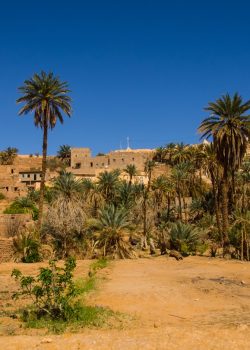
The France-Morocco journey is direct, thanks to numerous flight connections linking major French cities to Casablanca, Marrakech, or Rabat. Expect a flight time of 2 to 3 hours depending on the destination. Upon arrival, taxis and private transfers easily serve the partner clinics located in urban centers.



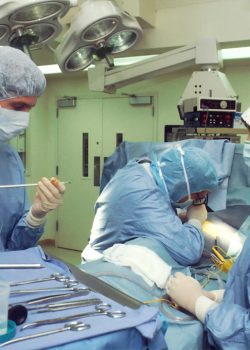

For gynecomastia surgery in Morocco, it is advisable to plan a total stay of 7 to 10 days. This period includes the preoperative consultation, the necessary time for immediate postoperative recovery, and at least one follow-up visit before returning home.
Liposuction alone may allow an earlier return, usually within 5 to 7 days after the operation, subject to favorable medical advice. In cases of combined technique or glandular excision, a longer rest period on site may be prudent to ensure proper healing and to react quickly in the event of early complications.
Moroccan clinics specializing in gynecomastia surgery often offer comprehensive logistical support: airport-clinic-accommodation transfers, presence or assistance of translators (rarely necessary for French-speaking patients but possible), provision of splints or appropriate compression garments after surgery, as well as regular postoperative follow-up.
It is strongly recommended to take out international health insurance that covers the surgical procedure, particularly for unexpected medical events or complications. This extra coverage provides added security in case of prolonged hospitalization, reoperation, or the need for repatriation.
Some facilities offer so-called « all-inclusive » packages for gynecomastia in Morocco. Typically, these offers combine in one package: surgical costs, professional fees, hotel accommodation, all local transfers, logistical support, and sometimes personalized assistance (interpreter, administrative management).
Before opting for a package, check what is actually included (previous consultations, remote follow-up, medication, possible touch-ups) and what is your responsibility to avoid any surprises.
Doing some sightseeing before surgery is possible, provided you do not overly tire yourself before the operation. After the surgery, it is recommended to limit outings as much as possible during the first few days to promote recovery and minimize the risk of complications.
Once the acute phase has passed (usually after 5 to 7 days), gentle activities and visits in the immediate surroundings can be considered, without strenuous effort, subject to the surgeon’s approval. Morocco, rich in history and scenery, remains a pleasant country to discover during a carefully managed recovery.
Postoperative follow-up is an essential step in gynecomastia treatment, especially when the procedure is performed abroad. Good medical support and careful monitoring help reduce the risk of complications, optimize healing, and ensure lasting results. Therefore, it is essential to anticipate how this follow-up will be organized, both on site and after returning to France.
After gynecomastia surgery in Morocco, many patients want to know if they can continue their follow-up in France. In practice, it is entirely possible to see a general practitioner or a plastic surgeon in France for additional check-ups, monitoring healing, or managing possible moderate complications.
However, it is important to keep all medical documents (operative report, summary, recommendations from the Moroccan surgeon) to facilitate continuity of care and understanding of the procedure performed. Some Moroccan surgeons also offer remote follow-up (videoconference, secure messaging) to answer questions after return. If a major complication occurs, urgent specialist advice is still necessary.