The treatment of the frown line refers to all medical and surgical procedures aimed at reducing or eliminating the vertical wrinkle located between the eyebrows. This wrinkle, also known as the glabellar line, usually results from the repeated contraction of the forehead muscles. Aesthetic surgeons and physicians offer various techniques to address this facial feature, ranging from botulinum toxin injections to more invasive surgery.
The cost of frown line treatment varies considerably depending on the chosen method (injections, surgery, combined techniques) and the country where the procedure is performed. Here is an overview of average prices charged in 2025:
| Country | Injection (botox/hyaluronic acid) | Surgery (lifting/advanced tech.) |
|---|---|---|
| France | €250–450 | €1,900–3,900 |
| United Kingdom | €270–500 | €2,100–4,200 |
| Germany | €250–470 | €2,200–4,000 |
| Netherlands | €270–490 | €2,000–4,100 |
| Italy | €230–410 | €1,800–3,800 |
| Tunisia | €130–250 | €1,100–2,400 |
| Turkey | €110–220 | €950–2,200 |
| Hungary | €170–300 | €1,300–2,200 |
| Czech Republic | €160–310 | €1,200–2,300 |
| Lithuania | €140–260 | €1,100–2,100 |
| Thailand | €100–200 | €900–1,900 |
| Poland | €160–290 | €1,200–2,250 |
| Belgium | €250–470 | €1,900–3,900 |
| Brazil | €110–210 | €900–2,000 |
| Albania | €90–180 | €850–1,900 |
Prices updated in 2025, given as an indication and subject to variation depending on complexity and the practitioner’s reputation.
As a rule, frown line treatment is considered a cosmetic medical or surgical procedure, and is therefore not reimbursed by Health Insurance nor by most supplementary insurances. Only rare documented pathological situations (example: aftereffects of paralysis or reconstructive surgery) may be partly covered, on a case-by-case basis.
The main goal of frown line treatment is to smooth the glabellar area and give the face a relaxed, rejuvenated look. Different methods exist, ranging from minimally invasive injections to more substantial surgical interventions.
In recent years, frown line treatment has benefited from several major advances:
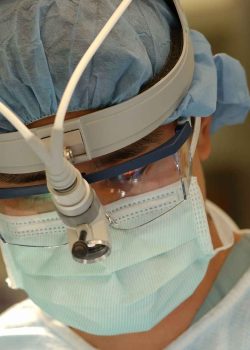




The course of the procedure depends mainly on the chosen technique. The most common options include injections (botulinum toxin or hyaluronic acid) and surgical procedures such as brow-lift or forehead lift.
For injections: After disinfecting the skin, the practitioner performs small, precisely localized injections between the eyebrows. The purpose of botulinum toxin is to temporarily relax the muscles responsible for the contraction, while hyaluronic acid fills the wrinkle by restoring the subcutaneous volume. The procedure is usually performed without anesthesia or after applying a local anesthetic cream.
For surgery (brow-lift or forehead lift): The procedure begins with incisions hidden in the scalp or along the hairline. The practitioner releases and tightens the frontal area, reduces excessive contraction of the glabellar muscles responsible for the wrinkle, then meticulously closes the incisions. This type of treatment is carried out under anesthesia (usually general or deep local) and takes place in an operating room.
Injections are quick procedures, lasting an average of 10 to 20 minutes. They can be performed in the office and do not require time off work.
As for surgery (brow-lift or forehead lift), the procedure generally lasts from 1 to 2 hours, depending on the technique used and the complexity of the case.
Injections generally cause very little pain. A slight tingling or discomfort at the time of injection may occur, but it is usually brief and well tolerated, especially if an anesthetic cream has been applied.
After a surgical procedure, moderate sensitivity, tightness, or sometimes bruising in the treated area are common. These inconveniences gradually subside thanks to simple painkillers and by following the surgeon’s recovery instructions. Actual pain is usually moderate, with most patients finding the discomfort tolerable.
Post-operative monitoring is crucial to the success of frown line treatment. Whether correction has been achieved through injections or surgery, understanding the progress of results and paying attention to immediate and delayed effects optimize the quality and durability of the aesthetic outcome.
The first effects of botulinum toxin injections appear 3 to 5 days after the procedure, with optimal results usually visible after 10 to 14 days. For hyaluronic acid injections, the smoothing is almost immediate, though slight redness or local swelling may mask the appearance for 24 to 72 hours.
After surgery (brow-lift or forehead lift), the final result requires more patience. A first glimpse is possible once swelling and bruising have subsided (2 to 3 weeks), but the final appearance can only be assessed after 3 to 6 months, once tissue healing is complete.
Botulinum toxin injections offer a temporary result: the effect typically lasts 4 to 6 months, so the procedure needs to be repeated to maintain correction.
Hyaluronic acid has a variable lifespan depending on the density used and the area: the frown line remains smoothed for 8 to 12 months on average.
Surgery provides much more lasting results. A forehead or brow-lift can correct the frown line for several years (often 8 to 15 years), although the natural aging process of the skin will eventually resume in the long term.
After injections, mild tension or localized swelling may be felt. These signs usually disappear spontaneously within a few days.
After surgery, swelling, bruising, and sometimes moderate sensitivity in the treated area are common. It typically takes 10 to 21 days for the main symptoms to resolve. Scars are usually subtle, hidden in the hairline or natural folds. Their evolution depends greatly on the technique used and compliance with post-operative instructions.
As with any medical or surgical procedure, frown line treatment carries some risks: asymmetry, unsatisfactory result, allergic reactions, infection, rare temporary motor disorders of the forehead, or persistence of minor irregularities or depressions.
To minimize these complications, it is crucial to carefully select your practitioner (an experienced plastic surgeon or dermatologist) and scrupulously follow post-procedure recommendations: avoid excessive heat and strenuous activity after injections, follow local wound care after surgery, and attend scheduled follow-up consultations.
If you have any doubts or persistent issues (severe pain, significant redness, fever, mobility disorders), it is imperative to contact the professional who performed the procedure to receive appropriate and rapid care.