Opting for a breast lift in Tunisia appeals to many patients for economic reasons, but also for the quality of the medical environment and the all-inclusive management of the stay. Tunisia combines recognized medical expertise, modern infrastructure, and competitive prices. It is thus positioned as a preferred destination for this procedure.
The costs of a breast lift in Tunisia are often significantly lower than those in France, while offering various intervention types suited to each patient’s needs. Here is an overview of the average prices according to the technique used:
| Breast Lift Method | Average Price (in €) |
|---|---|
| Simple breast lift | 1,800 – 2,500 |
| Breast lift with implants | 2,400 – 3,200 |
| Breast lift with reduction | 2,200 – 2,900 |
| Breast lift with lipofilling | 2,500 – 3,400 |
These prices have been updated for the year 2025.
Tunisia has a long-standing experience in cosmetic surgery and its facilities are subject to strict safety standards. Surgeons are often trained abroad and are proficient in advanced techniques, ensuring professional and safe care.
In Tunisia, the majority of healthcare professionals speak French, which greatly facilitates communication for French-speaking patients. Arabic is also the national language, but medical staff in clinics regularly welcome international patients and adapt accordingly.
For French citizens, obtaining a visa is generally not required for stays of less than 90 days in Tunisia. A valid passport is sufficient, but it is advisable to check current regulations before planning your procedure.
Tunisia is easily accessible from France thanks to many daily direct flights from Paris, Marseille, Nice or Lyon to Tunis, Monastir, or Djerba. The average flight time is about two hours, making it easy to organize the trip for surgery.




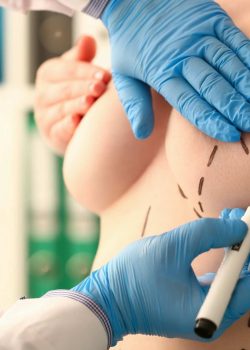


The total duration of a stay for a breast lift operation in Tunisia depends on the chosen protocol and each patient’s postoperative progress. Generally, you should plan to spend 6 to 10 days on site to ensure appropriate initial monitoring.
The typical timeline includes: a preoperative consultation the day before or on the day of arrival, the surgical procedure, 1 to 2 nights of hospitalization in the clinic, then a few days of recovery under medical supervision. Return is only considered after medical clearance, ensuring a safe return trip.
Cosmetic surgery clinics in Tunisia often provide streamlined organization for foreign patients. This frequently includes airport pickup, transfers between accommodation and the clinic, as well as support from a coordinator or a French-speaking interpreter if needed.
After the procedure, a support splint or medical bra is provided directly by the clinic. Postoperative care, which is crucial for a breast lift, generally includes a follow-up appointment before returning home. Regarding insurance, it is advisable to check with your own provider whether overseas care is fully covered or if a temporary policy dedicated to surgery should be taken out.
Many Tunisian clinics specializing in cosmetic surgery offer « all-inclusive » stays. These packages generally cover the procedure, accommodation, meals, transportation (airport, hospital, hotel), and on-site follow-up.
Nevertheless, it is important to read the contents of the package carefully: some ancillary services (analysis fees, medications, extra nights in case of complication) may be additional costs. Full transparency is recommended before committing.
Tunisia is renowned for its cultural heritage, beaches, and gastronomy. It can be tempting to make the most of your stay to explore the country. However, it is crucial to remember that the postoperative period requires rest and close medical supervision, limiting tourist activities immediately after surgery.
If your health allows, visits may be possible before the surgery or during the last days after medical approval. Specific precautions (avoiding sun, exertion, swimming) should still be followed to ensure optimal recovery.
Postoperative follow-up plays a central role in the success of a breast lift, particularly when performed in Tunisia. Its purpose is to monitor healing, prevent complications, and optimize aesthetic results. Understanding the possibilities for follow-up after returning to France, identifying which patients this procedure is suitable for, and knowing the specific mistakes to avoid allows for a safe recovery.
While most patients benefit from immediate on-site follow-up in Tunisia (consultations and postoperative checks in the days following the surgery), it is often necessary to continue monitoring once back in France.
It is possible to consult a general practitioner or a plastic surgeon in France to ensure continued follow-up: scar monitoring, management of potential side effects, advice on resuming activities. However, some French practitioners may refuse to take over postoperative care begun abroad. It is thus recommended to address this issue before surgery and, when possible, to identify a professional in France who is willing to provide this follow-up.