The Operative Stay in Hungary: Steps and Tips
Recommended Length of Stay for the Operation
The recommended duration for a septoplasty stay in Hungary is generally from 5 to 7 days. This time includes the preoperative consultation, the procedure itself, one to two days of post-surgical rest, as well as a follow-up visit before returning to France.
It is advisable not to rush your stay: complete recovery from the immediate aftermath, especially in the case of general anesthesia, requires medical supervision for several days after the operation.
Logistical Assistance for International Patients
Most nasal surgery clinics in Budapest provide logistical assistance for international patients. This can include transfers between the airport, hotel, and clinic, as well as the provision of interpreters in English or even French. This support is designed to secure the medical experience and remove language barriers during all stages of care.
The nasal splint, post-operative check-ups, and provision of prescriptions are generally planned before departure. Regarding insurance, it is essential to check your current international coverage and, if necessary, opt for health insurance or insurance specific to medical tourism, as a precaution that may cover possible surgical complications.
« All-Inclusive » and Tailor-Made Packages
In Hungary, certain clinics or partner agencies offer all-inclusive septoplasty packages. These « packs » may group together all services: surgery, accommodation, transfers, language assistance, and post-operative follow-up.
However, it is recommended to carefully review the conditions of each offer ahead of time (hotel quality, precise nature of the services, number of follow-up consultations included) in order to avoid any unpleasant surprises or unexpected additional costs.
Visiting Budapest Safely Before and After the Procedure
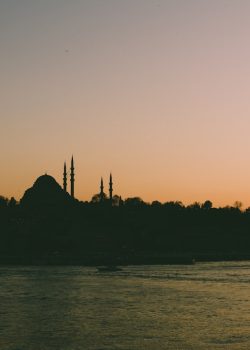
Budapest offers many sightseeing opportunities, from historic thermal baths to cultural visits. Before surgery, you can enjoy the city, while following medical recommendations (avoiding excess and fatigue).
After septoplasty, it is usually best to prioritize rest for the first few days. Once the critical period has passed (usually 48 to 72 hours after surgery), gentle sightseeing can be undertaken as long as you follow the practitioner’s advice: avoid excessive heat, crowded places, and any strenuous physical activity until your return to France.