Thigh liposuction is a cosmetic surgical procedure aimed at removing localized fat deposits on the inner or outer thighs. The surgeon uses fine cannulas inserted under the skin to suction out stubborn fat pockets that resist diets or physical activity. This method helps sculpt the contour of the leg and visibly slim the silhouette, while allowing for moderate skin tightening depending on the technique used.
The cost of thigh liposuction varies considerably from one country to another and also depends on the technique used (classic, laser, ultrasound, etc.). The price range also reflects the clinic’s reputation, the surgeon’s experience, and related fees (anesthesia, care, possible hospitalization). Here is a comparative table of the main countries:
| Country | Classic Liposuction (€) | Laser Liposuction (€) | Vaser/Ultrasound Liposuction (€) |
|---|---|---|---|
| France | 2500 – 4000 | 3200 – 4500 | 4000 – 5000 |
| UK | 3500 – 5500 | 4000 – 6000 | 4700 – 6800 |
| Germany | 3000 – 5000 | 3600 – 5400 | 4200 – 6000 |
| Netherlands | 2800 – 4700 | 3400 – 5000 | 4100 – 5900 |
| Italy | 2500 – 4200 | 3100 – 4700 | 3900 – 5200 |
| Tunisia | 1200 – 2200 | 1800 – 2600 | 2000 – 2800 |
| Turkey | 1300 – 2500 | 1700 – 2700 | 2200 – 3200 |
| Czech Republic | 1400 – 2600 | 1800 – 2700 | 2400 – 3100 |
| Lithuania | 1250 – 2200 | 1650 – 2400 | 1700 – 2500 |
| Thailand | 1700 – 3000 | 2100 – 3700 | 2600 – 4000 |
| Dominican Republic | 1200 – 2200 | 1600 – 2400 | 1800 – 2500 |
| Brazil | 1300 – 2400 | 1800 – 2500 | 2000 – 2800 |
| Colombia | 1200 – 2100 | 1550 – 2200 | 1750 – 2300 |
| Albania | 1000 – 2000 | 1300 – 2100 | 1500 – 2200 |
| Mexico | 1400 – 2400 | 1700 – 2500 | 2000 – 2600 |
Prices updated in 2025. These rates are indicative and may vary depending on individual cases.
Thigh liposuction is generally not covered by social security or insurance plans since it is considered a cosmetic procedure. Only very rare cases justified by a medical problem (severe lipoedema, mobility disorders related to localized fat overload) may exceptionally be eligible for reimbursement, but this remains unusual.
The goal of thigh liposuction is to reshape the figure, eliminate persistent fat deposits, and restore more harmonious contours. Depending on the needs and skin condition, different techniques or combinations of methods may be proposed:
The field of thigh liposuction has seen several recent technological advances to optimize results and reduce postoperative effects:


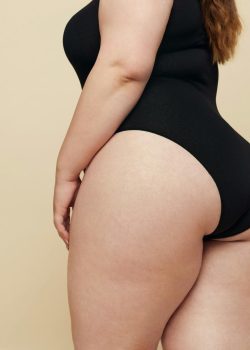







On the day of the procedure, the surgeon first marks the specific areas to be treated on the thighs while the patient is standing. This mapping helps assess the distribution of fatty tissue and adapt the surgical strategy.
In the operating room, anesthesia (most often general, but sometimes local with sedation for smaller areas) is administered. Once the patient is asleep, the surgeon makes very small incisions (3 to 5 mm), usually hidden in the natural folds of the groin or knee to minimize scar visibility.
The practitioner then inserts fine cannulas through these incisions. Depending on the technique used (tumescent, laser, Vaser), an anesthetic and vasoconstrictor solution may be injected to reduce bleeding and facilitate suction. The cannulas are then carefully moved under the skin to break up and suction out the targeted fat pockets, while maintaining as much regularity and evenness as possible.
Aspiration is gradual and meticulous to avoid any risk of unevenness or excessive tissue trauma. Once a sufficient amount of fat has been removed, the cannulas are withdrawn and the incisions closed with dissolvable stitches or strips. A compression garment is immediately applied to reduce postoperative swelling and improve skin retraction.
Thigh liposuction generally lasts between 1 and 2 hours, depending on the volume of fat to be removed and the number of areas to be treated (inner thigh, outer thigh, knees). For more extensive procedures or those combined with other interventions, the operating time may be slightly longer.
Postoperative pain is most often moderate after thigh liposuction. It mainly presents as soreness, a feeling of tightness, or bruising—similar to muscle aches after intense exercise.
Simple painkillers prescribed by the surgeon are sufficient in most cases to manage discomfort. Recent techniques (fine cannulas, tumescent infiltration) help reduce pain. Unpleasant sensations usually subside significantly after the first 3 to 5 days.
Follow-up after thigh liposuction is essential to optimize the outcome, ensure safe recovery, and prevent complications. Understanding the timeline of postoperative evolution helps better manage expectations and detect any possible issues early.
The first changes are visible as soon as you leave the operating room: the figure already appears slimmer, despite the possible presence of swelling and bruising. However, the immediate result does not reflect the final outcome, as the tissues are still swollen and may appear uneven.
Swelling can persist for 3 to 6 weeks and gradually subsides. Most swelling disappears within the first two months, but the skin continues to adapt to the new contours for several more weeks. The final result and the definitive shape of the thighs are usually assessed from the 3rd or 4th month onward, or even up to 6 months in some cases.
Liposuction permanently removes the extracted fat cells, which cannot regenerate. This explains the durability of the result in the treated area. However, significant weight gain after the procedure may lead to fat accumulation in other areas, or a slight increase in the treated area if the remaining fat cells enlarge.
To optimize the longevity of results, it is advisable to maintain a stable lifestyle, with a balanced diet and regular physical activity. In most cases, the improved silhouette can last for many years if weight remains stable.
After the procedure, it is common to experience pain similar to muscle aches or increased sensitivity, especially during movement or when touched. These sensations usually decrease during the first week and are well controlled by standard analgesics.
Swelling (edema) and bruising are frequent: they peak around the 2nd or 3rd day and generally disappear within 3 to 4 weeks. Wearing a compression garment is essential to reduce these symptoms and help the skin retract. Scars, discreet because they are placed in natural folds, remain red or pink for several months before fading and becoming fine and barely visible.
As with any surgical procedure, thigh liposuction has risks: localized infection, hematoma, surface irregularities, widened scars or hyperpigmentation, feeling of deformity or asymmetry. In rare cases, a secondary correction (touch-up) may be necessary.
To minimize complications and maximize the chances of success, it is imperative to choose a qualified surgeon registered with the Medical Board and to strictly follow postoperative instructions: rest, wear compression garments, proper scar hygiene, and regular medical follow-up. Any abnormal sign (excessive pain, redness, fever, discharge) should be promptly reported to your healthcare professional.