Lipofilling of the lips is an aesthetic surgery technique aimed at increasing lip volume by using the patient’s own fat. This method involves delicately harvesting fat from another area of the body (such as the abdomen or thighs), purifying it, and then injecting it into the lips. The goal of lipofilling is to achieve a natural and long-lasting result, while minimizing the risk of rejection or allergy, since the substance used comes from the patient themselves.
This process allows for a harmonious redefinition of the lip contours, with a subtle and personalized volumizing effect. Lipofilling thus serves as an interesting alternative to hyaluronic acid injections, especially for those seeking an authentic and lasting result.
The average cost of lipofilling of the lips usually ranges from 1,500 to 3,000 euros, depending on the practitioner’s experience and the complexity of the procedure. This price range is often higher than for standard hyaluronic acid injections, as lipofilling requires a more comprehensive surgical intervention, including the harvesting of fat.
However, the long-lasting nature of the results can be an economic advantage over time, as it reduces the need for regular touch-ups required with resorbable injections.
Lipofilling of the lips stands out for several specific aspects:
Main advantages:
Main disadvantages:
Lipofilling of the lips may be recommended in the following situations:
Main contraindications:









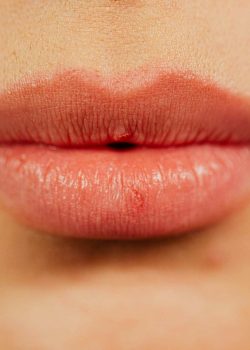
The first appointment with the surgeon is essential. It allows for analyzing the lip morphology, listening to the patient’s expectations, and checking for any contraindications. A thorough assessment is conducted to identify the best area for fat harvesting (abdomen, thighs, hips, etc.).
The practitioner provides a detailed quote and, if necessary, preoperative recommendations (quitting smoking, adjusting certain medications, etc.).
The procedure begins with local anesthesia (rarely general anesthesia). The surgeon first harvests the fat using a fine cannula from the area selected during the consultation. This fat is then carefully purified to retain only viable cells.
The second phase involves reinjecting the fat into the lips via micro-incisions, ensuring the desired proportions and maintaining the natural symmetry of the smile.
Lipofilling of the lips typically lasts between 45 minutes and 1 hour. The procedure is minimally painful. A sensation of discomfort or tightness may occur after the operation, but it is well controlled by standard painkillers.
Going home is generally possible the same day. Mild swelling and sometimes bruising on the lips and the harvesting area are common in the first few days. 5 to 8 days of social downtime should be planned, until the appearance returns to normal.
The final result of lipofilling gradually stabilizes over 4 to 6 weeks, following the natural resorption of a portion of the injected fat.
In most cases, a single session is sufficient to achieve the desired volume. However, a second session may be considered later (a few months later) if the patient wants to further enhance the result, or in case of significant resorption of the initially injected fat.
The durability of lipofilling of the lips remains an advantage compared to resorbable solutions, but follow-up with the practitioner is essential to tailor the treatment to each profile.
Lipofilling of the lips generally offers a natural result, both in terms of texture and volume. The final appearance becomes apparent between 4 and 6 weeks, after the swelling subsides and part of the injected fat is resorbed. The lips gain in shape and symmetry, without rigidity or visible overcorrection, which makes this technique appreciated for its aesthetic discretion.
The durability of the result depends on the stability of the fat graft: a portion of the injected fat (on average 30 to 50%) may naturally resorb within weeks after the procedure. Nevertheless, the portion of fat that ‘takes’ becomes permanent and ages harmoniously with the surrounding tissues. For many patients, the benefit lasts for several years, or even permanently, reducing the need for frequent touch-ups compared to hyaluronic acid.
As with any surgical procedure, lipofilling carries certain risks, although these remain rare when the procedure is performed under proper conditions by a qualified professional. The most common complications include prolonged swelling (edema), bruising, temporary sensitivity, or small localized fat cysts. The occurrence of infection or residual asymmetry should also be monitored.
Specific precautions should be taken during the postoperative phase: it is advisable to avoid manipulating the lips, exposure to heat (sauna, steam room), as well as strenuous physical effort for one to two weeks. Regular follow-up with the practitioner is essential to detect any abnormality early and optimize healing.
Good oral hygiene, taking the prescribed medication, and following monitoring instructions (checking the harvesting and injection areas) help minimize risks. In case of doubt or unusual reactions, rapid contact with the medical team is imperative.